MLB The Show 26 vs. College Football 27 Economy Breakdown
Zubo
Jun 26, 2026
667
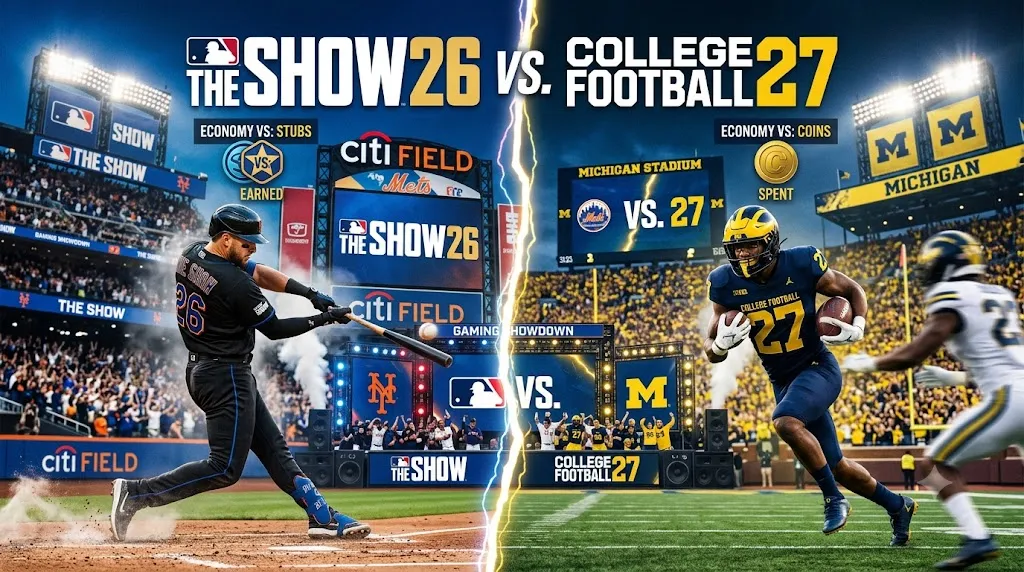
Sports gaming enters a fascinating head-to-head match this year. On one side stands MLB The Show 26, a highly polished, simulation-heavy baseball title focused on execution and deep management logic. On the other is EA Sports College Football 27, a high-octane, fast-paced gridiron simulator capturing the pageantry, chaotic energy, and strategy of the college ranks.
For players choosing where to invest their time and money, understanding how these two titans stack up in gameplay, career modes, and virtual economies is essential.
Core Feature Comparison
Feature
MLB The Show 26
College Football 27
Primary Focus
Micro-precision, strategy, and roster logic
Explosive pacing, dynamic defense, and recruitment
New Gameplay Mechanics
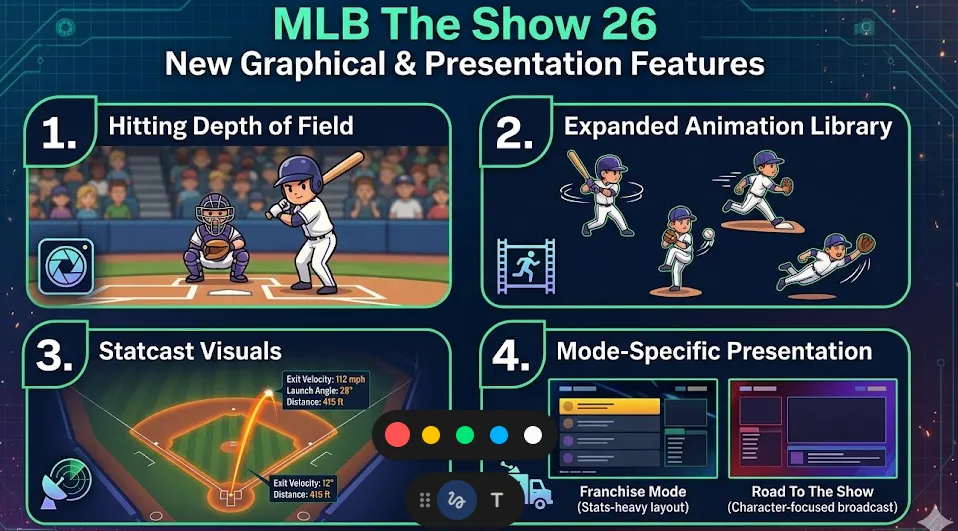
Bear Down Pitching, Big Zone Hitting, ABS Challenge System
Economy: MLB The Show 26 Stubs vs. College Football 27 Coins
The choice between these two titles often comes down to their approach to live-service modes. Both games feature a centralized virtual currency used to purchase player packs, acquire specific cards on the community marketplace, and complete sets. However, the player experience in managing these economies is fundamentally different.
MLB The Show 26 Stubs
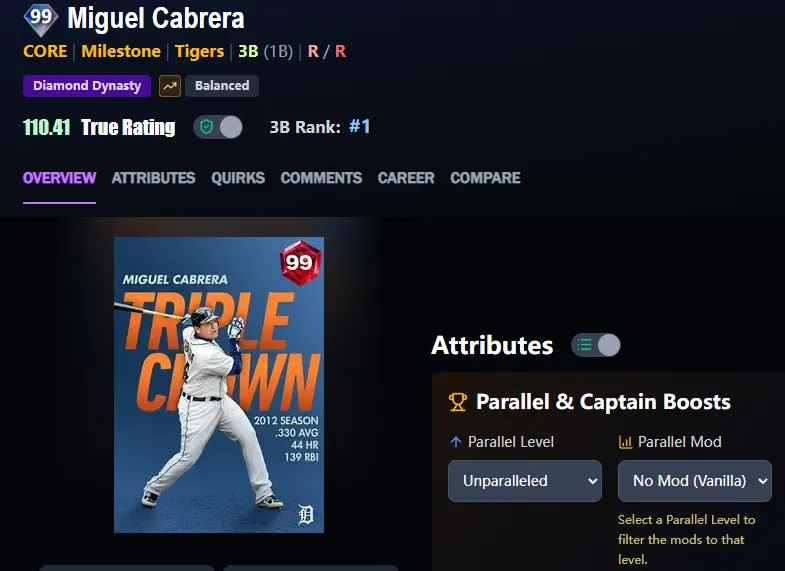
Diamond Dynasty remains widely regarded as one of the most consumer-friendly, "no-money-spent" fantasy modes in sports gaming.
Market Stability: MLB The Show 26 Stubs can be earned steadily through almost every single activity in the game, including casual offline Conquest maps, Mini Seasons, and Ranked multiplayer.
The Marketplace: The community market operates on a transparent buy/sell order system. Because MLB The Show 26 does not impose a restrictive price floor or ceiling on card trading, smart users can easily flip items for a profit.
Progression Support: The addition of Red Diamond rarity cards and faster Parallel XP (PXP 2.0) progression allows players to upgrade their existing roster through gameplay rather than relying solely on high-priced Stub transactions.
College Football 27 Coins
EA Sports operates on an entirely different live-service philosophy for College Football Ultimate Team (CUT 27). The economy revolves around Coins, which are crucial for keeping pace with a rapidly shifting meta.
The Grinding Reality: While College Football 27 Coins are earned by completing single-player challenges, daily objectives, and weekly competitive events, top-tier player cards require a significant amount of capital.
The Marketplace Control: The CUT Auction House is highly active but subject to intense inflation, especially when new promotional card drops occur.
NIL & Upgrades: Coins are the primary engine for buying packs, upgrading player card attributes, and customizing avatars. Because the gap between base-level cards and premium items is massive, players face a stark choice: dedicate hours to strategic marketplace flipping or buy Coins directly to remain competitive online.
The Takeaway: If you prefer a steady, rewarding grind where a top-tier team can be built completely for free, the Stubs economy in MLB The Show 26 is superior. If you enjoy a highly volatile, high-stakes market where working the Auction House feels like a high-reward game of its own, College Football 27 Coins offer that aggressive style.
Gameplay & Mechanics Overhaul
Both titles have introduced massive systemic upgrades to their respective engines this year.
MLB The Show 26: Precision and Rule Authenticity
Baseball is a game of millimeters, and the new mechanics emphasize pitch-to-pitch focus:
Bear Down Pitching: A high-leverage mechanic where pitchers store special boosts earned through strikes. Activating a "Bear Down" pitch shrinks the accuracy window, increasing velocity and control based on the pitcher's Clutch attribute.
Big Zone Hitting: Designed to bridge the gap for intermediate players, dividing the strike zone into nine large quadrants for easier contact, though it prevents "Perfect-Perfect" hits.
Automatic Ball-Strike (ABS) Challenge System: Offline modes now feature the official MLB review system, letting players challenge close calls at the plate twice per game.
College Football 27: Speed and Tactical Adaptability
Football this year focuses heavily on countering mobile quarterbacks and adding skill gaps to standard play:
Smart Zones & Plaster Coverage: Zone defenders are no longer static; they actively track and follow receivers entering their space. When a quarterback breaks the pocket, defenders initiate "Plaster Coverage" to stick tightly to their assignments.
Timing-Based Catching: A new visual meter rewards precise timing. Hitting the green window almost guarantees a successful catch, transforming aerial battles between wide receivers and defensive backs.
Advanced Tackling: Defensive choices are expanded into distinct mechanics: Hit Stick, Cut Stick, Lunge Tackle, and Wrap Tackle.
Career and Management Logic
Roster Management & Franchise Mode
MLB The Show 26 delivers a masterclass in management realism. The franchise engine features completely rebuilt trade logic, increasing package slots to 8-player deals (4-for-4 trades). The AI accounts for "Buyer" and "Seller" market sentiment, and trades are no longer instant—the CPU takes time to evaluate, allowing rival teams to swoop in and attempt to steal or block deals.
College Football 27 leans into the unique chaos of collegiate sports. Roster management centers on the transfer portal, NIL deals, and spending Dynasty Points to upgrade school facilities to attract top-tier high school recruits. Roster turnover happens fast, forcing you to constantly rebuild rather than sustain a long-term veteran core.
Single-Player Be a Pro Modes
The player journey is highly connected in both games, but the starting points differ:
Road to the Show (MLB 26): Your player begins in an expanded amateur system where you can choose to be recruited by 19 official colleges. Your goal is to win the NCAA Men's College World Series before entering the MLB Draft Combine and heading toward the Hall of Fame.
Road to Glory (CFB 27): This mode focuses on the intense weekly agenda of a student-athlete, balancing academic eligibility, brand deals, training, and dealing with position coaches. New "Cap Breakers" allow you to push beyond standard attribute limits to create a truly legendary player.