购物车空
继续购物Sabatulo is one of the biggest additions coming with WARDOGS Season 3, bringing a different style of fighting to the game. Instead of relying mainly on open terrain and long-range engagements, this new map is designed around urban warfare and close-quarters combat. For players preparing their first deployment, understanding how to move between buildings and manage short-range encounters will be just as important as choosing the right equipment. Having enough Wardogs Cash to prepare flexible loadouts can also help players avoid being locked into a single combat role.
The developers officially confirmed that Season 3 launches on November 12, 2026, with Sabatulo as its new map. However, a complete tactical layout and verified optimal routes have not yet been published.
The biggest change Sabatulo brings is the emphasis on enclosed spaces and shorter engagement distances. In an urban environment, buildings can interrupt sightlines, streets can create dangerous crossing points, and multiple entrances can make it difficult to predict where an enemy squad will appear.
This changes how players should think about positioning. In open terrain, maintaining distance and finding a clear firing angle can be enough to control an engagement. In a city, however, a seemingly safe position may have several exposed sides.
Our team recommends paying attention to three environmental factors when exploring Sabatulo:
Don't rush to memorize a route after one successful encounter. A route that works when an area is quiet may become extremely dangerous when another squad controls the surrounding buildings.
There is an important difference between choosing the shortest route and choosing the best route. In urban combat, a longer approach with better cover can be more valuable than a direct crossing that exposes your entire squad.
Since confirmed Sabatulo route names and a complete map layout are not available yet, we recommend learning the environment through three practical movement patterns.
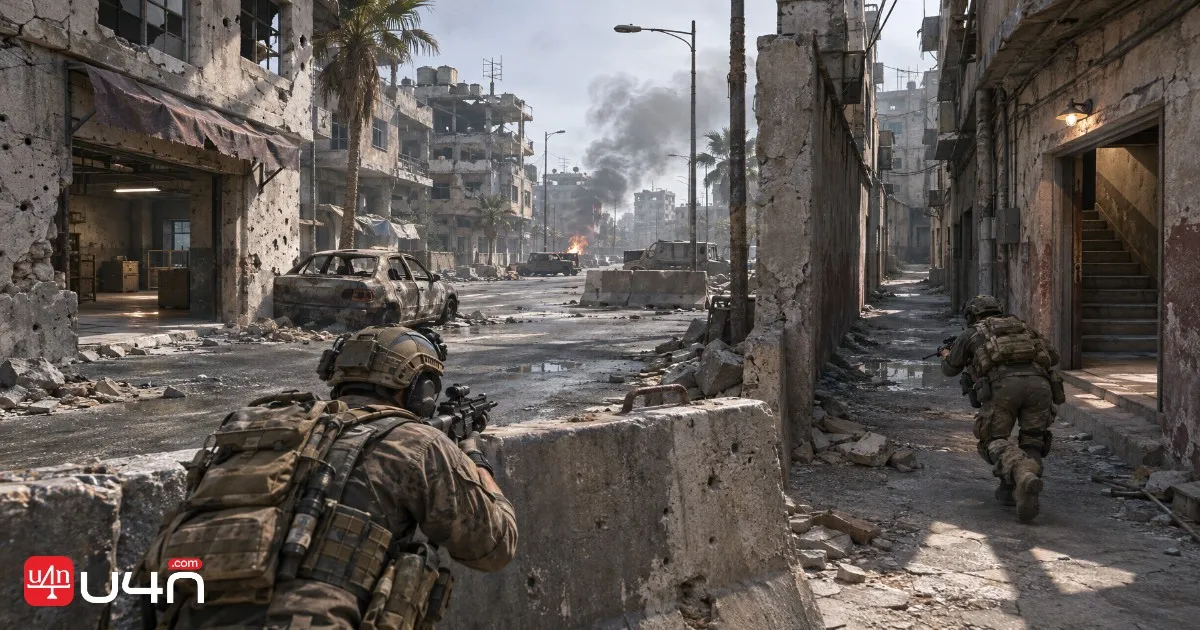
Main streets are natural movement options when your squad needs to cross an area quickly. They can also provide clear vehicle access and straightforward communication between teammates.
The problem is visibility. Long roads and open intersections can expose players to multiple firing angles, particularly when nearby buildings provide elevated observation positions.
Use these routes when your squad has supporting fire, reliable information about enemy positions, or a clear reason to move quickly. Before crossing an intersection, check the surrounding windows and nearby entrances instead of focusing only on the road ahead.
Smaller streets and narrow passages can help break line of sight. They are useful for approaching an objective without following the most obvious path.
However, limited space can make these routes dangerous when an enemy is already holding a corner or doorway. A narrow passage may also leave very little room to retreat.
We suggest keeping one player slightly ahead to check the next section while the remaining teammates maintain enough distance to provide support. Avoid allowing the entire squad to enter an unfamiliar passage simultaneously.
Moving through connected urban spaces can reduce exposure to open streets. It may also create opportunities to approach an objective from an unexpected direction.
But buildings should not automatically be treated as safe zones. Before entering, consider how many exits are available and whether your squad can leave without passing through the same exposed entrance.
| Route type | Main advantage | Biggest risk | Recommended use |
|---|---|---|---|
| Main streets | Faster movement | Multiple enemy sightlines | Supported pushes |
| Side streets | Reduced visibility | Corner ambushes | Cautious approaches |
| Building routes | More opportunities for cover | Entrapment and interior threats | Flanking and repositioning |
The best approach is to switch between these movement patterns instead of repeatedly taking the same route. Predictability is a serious disadvantage when several squads are fighting around a compact urban area.
The strongest route is not always the shortest one. It is the route that gives your squad enough information, cover, and flexibility to respond when the situation changes.
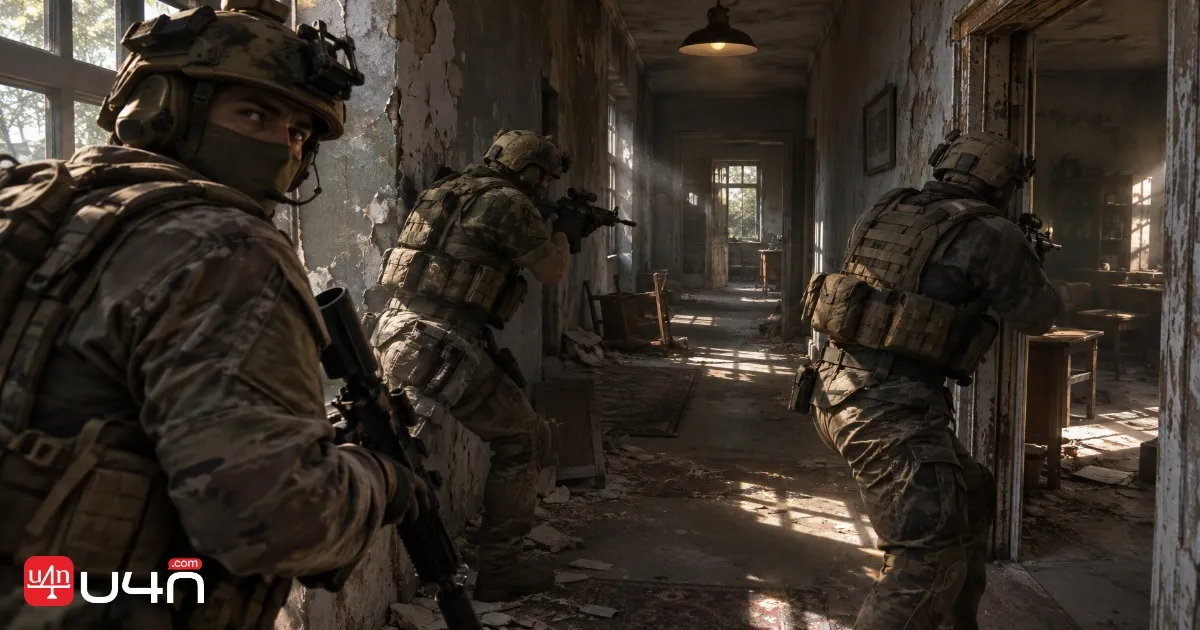
Indoor engagements require a different pace from street fighting. Players who sprint through a doorway without checking the surrounding space often give defenders the advantage.
Our team recommends treating every building entry as a small coordinated operation.
One mistake we often see in urban shooters is treating room clearing as a race. Speed matters, but information and coordination are what prevent an aggressive push from turning into an unnecessary squad wipe.
Urban combat does not happen on a single level. Upper-floor windows, rooftops, and elevated structures can create additional firing angles that are easy to overlook when players concentrate on street-level threats.
When crossing an open road, don't only check the nearest corner. Take a moment to scan the upper floors of surrounding buildings. At the same time, avoid staring at one window for too long, since another opponent may approach from ground level.
Elevated positions can be useful for observation and supporting teammates, but they also come with disadvantages:
Our preferred approach is to use high ground as a temporary information advantage. Observe enemy movement, communicate what you find, support the squad when necessary, and relocate before opponents have enough information to surround your position.
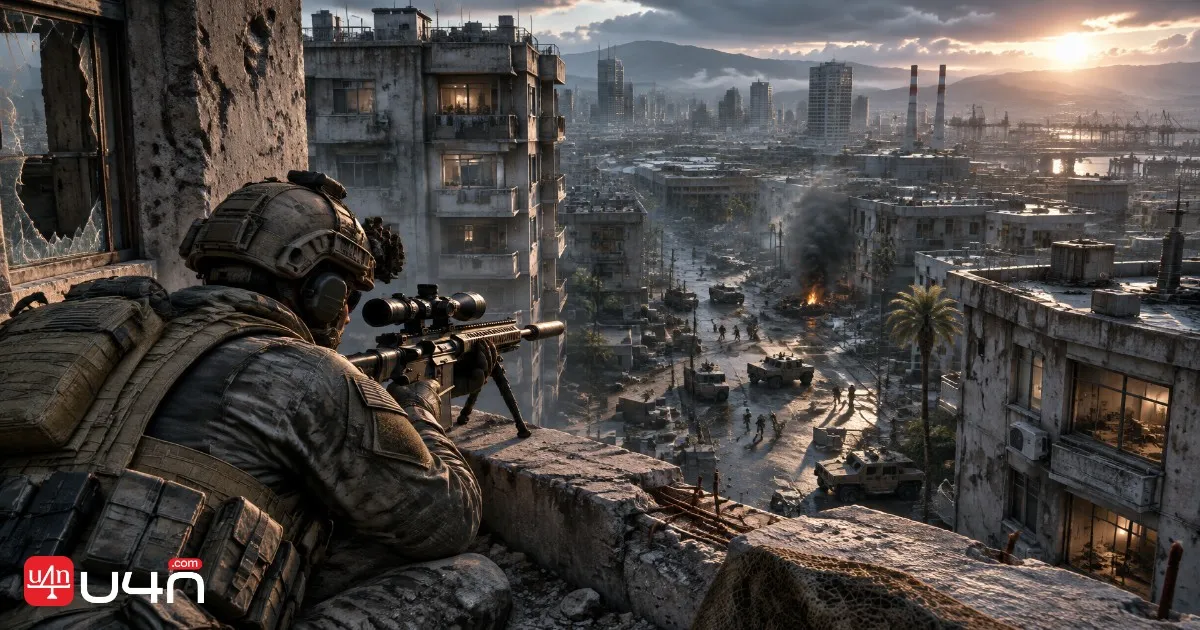
Sabatulo's close-quarters focus makes weapon selection especially important, but there is no confirmed map-specific weapon ranking yet. Rather than assuming one loadout will dominate, choose equipment according to the distance you expect to fight at and the role you perform within the squad.
| Weapon category | Suitable situation | Tactical consideration |
|---|---|---|
| Assault rifles | Mixed-distance urban engagements | Flexible for both street movement and interior fights |
| SMGs | Tight rooms and short corridors | Useful for players leading close-range pushes |
| Marksman rifles | Longer streets and observation angles | Better suited to supporting teammates from a distance |
| LMGs | Holding approaches and supporting advances | Need controlled positioning and sufficient cover |
Weapon choice is only one part of the equation. Squad organization determines whether those weapons can be used effectively.
We recommend dividing responsibilities into three flexible roles:
These responsibilities can change throughout a match. A player using a longer-range weapon may take the support role during a street crossing, then switch to observation duty when the squad reaches a building.
The key is to avoid having everyone focus on the same direction. Good urban teamwork means covering different angles while remaining close enough to respond when an engagement begins.
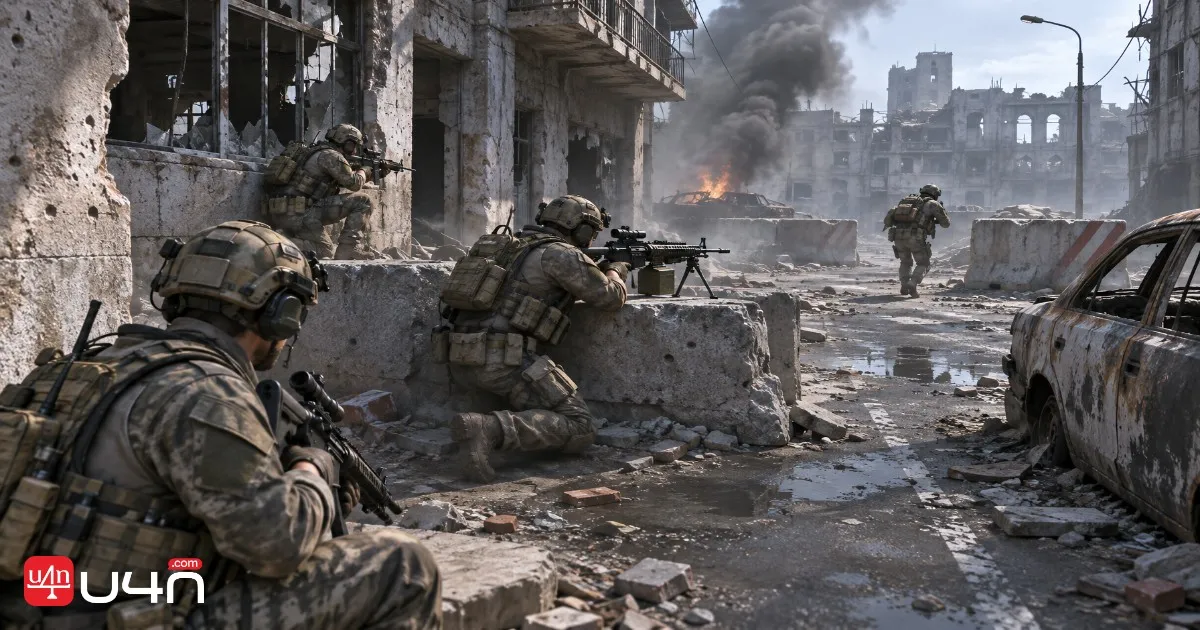
Even experienced players can struggle when adapting to a new urban map. The biggest problems usually come from poor positioning rather than poor aim.
| Common mistake | Why it is dangerous | Better approach |
|---|---|---|
| Always using main streets | Makes squad movement predictable | Alternate between different approaches |
| Rushing through entrances | Gives defenders an easy opportunity | Check entrances before committing |
| Ignoring upper floors | Leaves you exposed to elevated fire | Scan windows and rooftops regularly |
| Staying inside one building too long | Allows enemies to surround your position | Reposition when your location is compromised |
| Moving too close together | Makes the squad vulnerable to concentrated attacks | Maintain practical spacing |
| Ignoring retreat routes | Makes disengaging difficult | Identify alternative exits before pushing |
One additional mistake is continuing with the original plan after the situation changes. If another squad takes control of your intended route, don't keep forcing the same approach. Fall back, communicate with teammates, and look for another way forward.
Sabatulo introduces a different tactical challenge for WARDOGS players. Its urban warfare focus makes route selection, building control, vertical awareness, and squad coordination essential parts of successful engagements.
For your first matches, our team recommends learning the connections between streets and buildings before attempting complicated pushes. Experiment with different weapon categories, pay attention to enemy movement, and avoid staying in predictable positions for too long.
Players who want to spend less time preparing equipment and more time learning the new battlefield may also consider whether Wardogs Boosting fits their progression goals. However, understanding the map and developing reliable combat habits will remain important regardless of equipment or progression.
Ultimately, the strongest route is not always the shortest one. It is the route that gives your squad enough information, cover, and flexibility to respond when the situation changes. Once Season 3 launches, actual match experience will reveal which approaches work best on Sabatulo.
Sabatulo is scheduled to arrive with WARDOGS Season 3 on November 12, 2026.
Yes. The developers describe it as an urban warfare map focused on close-quarters combat.
There is no verified optimal route yet. Main streets offer more direct movement, side streets provide alternative approaches, and building-to-building movement can reduce exposure. The right choice depends on enemy positions and squad objectives.
Assault rifles are a flexible starting point. SMGs suit close-range engagements, while marksman rifles and LMGs can support teammates from more controlled positions. Test different combinations once the map becomes available.
The developers have confirmed the map's urban warfare focus, but a complete tactical layout and verified optimal routes have not been established in the available announcement. Treat early route recommendations as general tactical guidance.