
购物车空
继续购物Sanctuary Raid: Ludra, also known as the Abyssal Forge, is one of Aion 2's major endgame challenges. This eight-player raid rewards preparation, clean execution, and a team that knows when to move, when to hold position, and when to save defensive skills. With Ludra returning on November 4, 2026, players have a fresh reason to review the encounter and prepare for its updated mechanics.
The returning raid keeps its familiar identity but introduces new and adjusted attacks, so older strategies should be treated as a starting point rather than a guaranteed solution. Our team recommends checking your gear, agreeing on mechanic assignments before the first pull, and reviewing the official Sanctuary Raid update before committing to a Hard-mode run. A sensible progression plan also helps you manage Aion 2 Kinah for upgrades without wasting resources on gear you will soon replace.
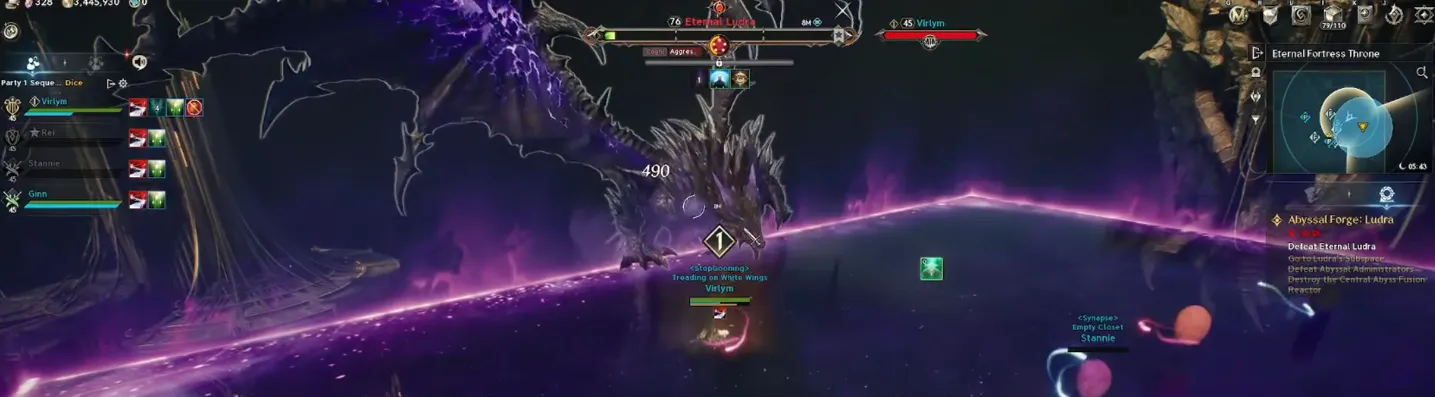
Ludra is scheduled to return on November 4, 2026. Normal and Hard modes will be available, with announced item level requirements of 2,800 and 3,000 respectively. The return also brings a new First Clear event, a reset of the in-game Hall of Fame, and additional activities to help players prepare.
| Update | What Players Need to Know | Preparation Tip |
|---|---|---|
| Return date | November 4, 2026 | Check the regional opening schedule. |
| Normal mode | 2,800 item level | Review your equipment before entering. |
| Hard mode | 3,000 item level | Coordinate roles and defensive cooldowns. |
| First Clear event | Special recognition and titles for qualifying clears | Confirm the event rules and deadlines. |
| Early Access gear | Eligible Ludra-specific gear is scheduled to be returned to the players who earned it | Check your affected equipment after the return. |
| Upgrade materials | Materials spent upgrading the affected gear are scheduled to be reimbursed | Review the official compensation details. |
The event period is important if your group is aiming for a competitive clear. The announced Ludra Hunt runs from November 4 until the maintenance period on November 24 in Pacific time, with regional timing differences. The first 20 Hard-mode parties in each region can earn special titles, while other players who clear Normal or Hard mode during the event can qualify for the Ludra Hunter title.
Login rewards, Twitch Drops, and the Daeva Bootcamp community milestone event offer additional reasons to prepare early. Check the Ludra return event schedule and reward details before planning around a particular reward or deadline.
Our team's advice: Meet the announced item level requirement, review the latest event rules, and agree on your raid roles before entering. Previous strategies are useful references, but the returning encounter may require different timing and positioning.
Previously documented mechanics: verify after the return.
The first encounter tests positioning and coordination through HP-based phases, line AoE attacks, and tether-related debuffs. As the fight progresses, careless movement can turn a manageable pull into a scramble for the healers.
Our team recommends three priorities:
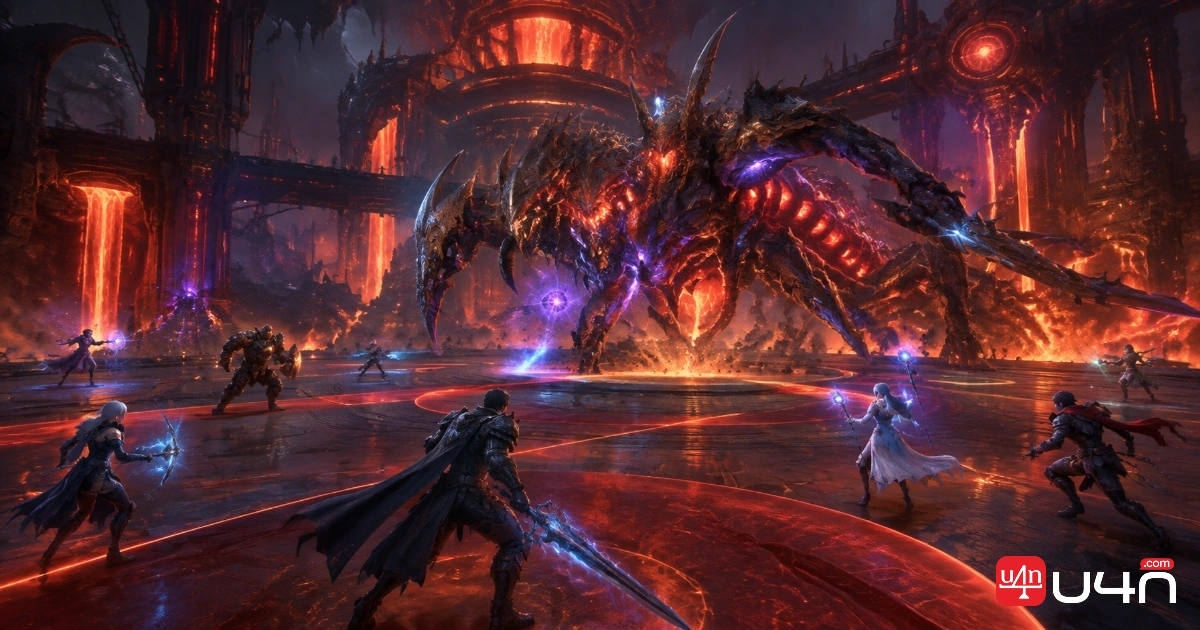
The original guide also describes a timed Towel Toss debuff. Under that strategy, the affected player passes the debuff to an ally before the timer expires. If the holder dies, a black hole can appear, and three black holes can wipe the raid. Treat this as an older mechanic until it has been confirmed in the returning encounter.
Rewards: The original guide lists Sanctuary boxes containing currency and bracelets. Confirm the current contents and drop conditions before farming for a specific item.
Previously documented mechanics: verify after the return.
Ketu is a movement-heavy encounter where stamina management and quick reactions matter as much as damage. The original guide highlights four mechanics that groups should understand before entering.
Watch Ketu's visual cues and time your jumps carefully. Repeated hits can create unnecessary pressure on the party, while panic-jumping wastes stamina that may be needed later.
The previously documented strategy calls for the group to gather near the six o'clock position before splitting into two teams. Players then climb ropes, handle adds, and avoid laser attacks.
Assign climbing and add-clearing responsibilities before the phase starts. Running out of stamina while escaping a dangerous attack can be more costly than losing a few seconds of damage.
The original strategy uses Red and Blue gaze cues: Red means look toward the boss, while Blue means look away. Players should call out the sequence clearly rather than relying on everyone to interpret it independently.
Do not assume an old sequence will remain unchanged. Follow the actual cues displayed in the updated encounter.
The original guide describes red fan-shaped floor markers and Soul Stones that provide a short invulnerability window when activated correctly. Players should learn the timing and agree on assignments before the pull.
Do not improvise around the stones at the last second. Confirm the current interaction rules and timing after the raid returns.
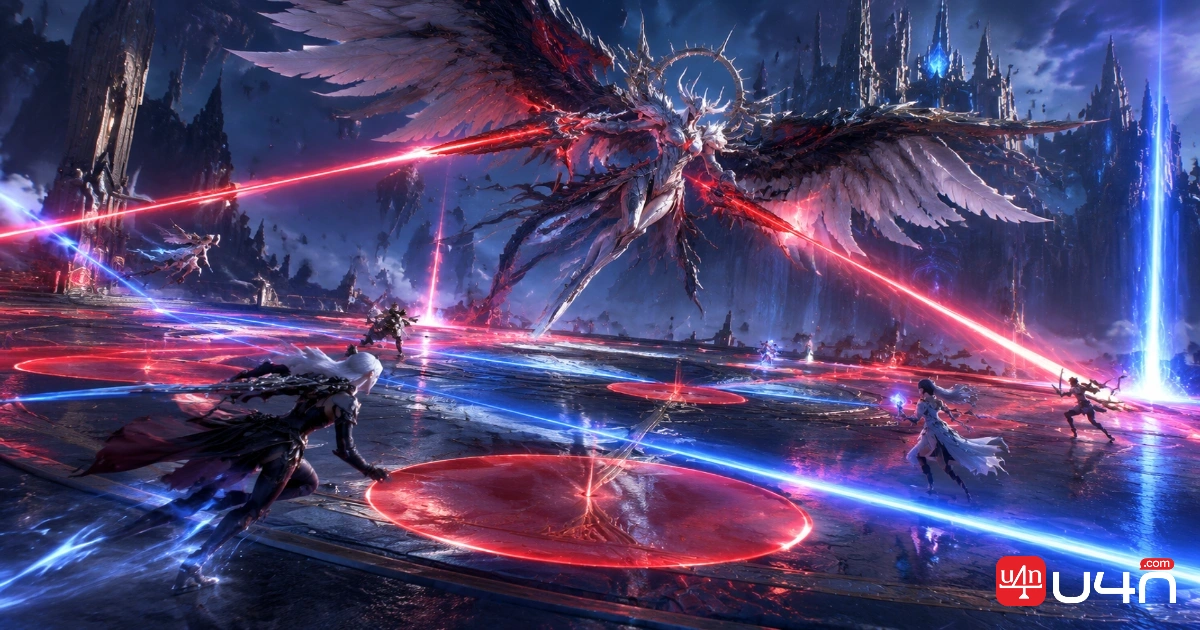
Rewards: The previous guide lists a Sanctuary Box or Abyssal Box, with a chance of obtaining currency and Heroic-grade bracelets. The current drop table still needs to be verified in the updated version.

Previously documented mechanics: major revalidation required.
Eternal Ludra is the encounter where consistent communication matters most. The original guide describes line AoEs, orb towers, color-based hazards, healing checks, and a grid-based Bingo mechanic. These remain useful reference points, but the returning raid includes new or adjusted mechanics and attack patterns. Do not treat every old phase trigger or movement instruction as confirmed.
The original strategy emphasizes avoiding line attacks while handling orb towers and maintaining safe positioning. Assign objective responsibilities before the pull so players do not abandon their roles when the room becomes dangerous.
Ranged players should also avoid placing persistent ground hazards in important movement paths. Space is a resource in raid encounters: poorly placed hazards can make the next mechanic harder for everyone.
The previously documented Color Mix mechanic assigns red or blue debuffs to players:
The old strategy also describes Color Circles, with healers entering the initial circles that match their assigned colors before other players jump into them at the required moment.
Use the updated encounter's actual markers and instructions. If the color assignments, safe zones, or timing change, follow what the boss shows rather than relying on memory.
The original encounter places heavy pressure on healers during key transitions. Clerics and Chanters should coordinate defensive cooldowns, recovery skills, and movement before the fight begins.
A Chanter may help cover demanding healing checks with appropriate defensive abilities, but success depends on the actual encounter tuning, party gear, and execution. Do not assume that one class can replace another in every composition.
The original guide describes a grid mechanic in which all eight players receive assigned zones. The suggested approach is to agree on positions in advance, fill the required outer tiles, and coordinate the final inner tile.
If this mechanic remains in the returning version, clear assignments can prevent duplicated movement and accidental wipes. Confirm the current grid layout and HP triggers before treating the old sequence as definitive.
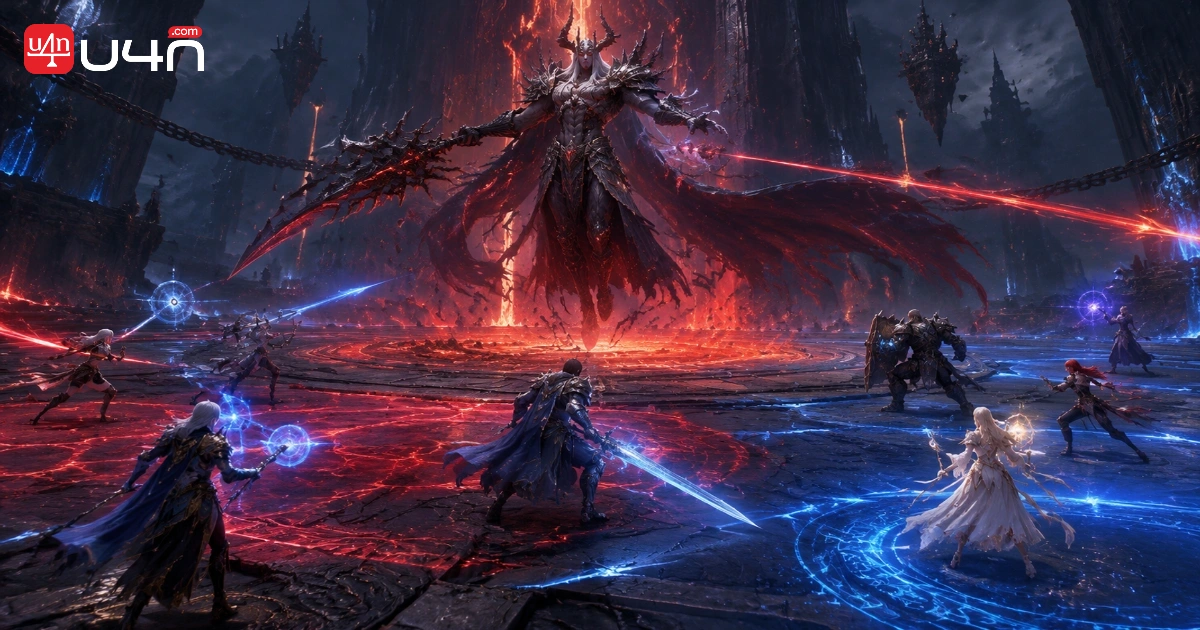
Key takeaway: Treat the original Color Mix, healing checks, and Bingo Pattern as reference strategies until the returning encounter has been tested. The safest raid plan is based on confirmed mechanics, not assumptions carried over from Early Access.
Ludra has been associated with valuable endgame equipment and progression materials. However, the exact drop table, quantities, and acquisition conditions should be checked against the returning encounter before players plan their farming around a specific item.
| Previously Listed Reward | Why Players Care | What to Verify |
|---|---|---|
| Extendable weapons | Additional reach and tactical flexibility | Current drop source and eligibility |
| Tuning Stones | Equipment enhancement | Exact type and quantity |
| Abyss Equipment | Endgame gear progression | Current acquisition conditions |
| Equipment Change Tickets | Equipment conversion options | NPC requirements and eligible items |
| Sync Stones | Enhancement-related progression | Updated reward availability |
| Ludra's Fatal Bow | High-grade weapon option | Current drop conditions |
| Ludra's Bracelet | Heroic-grade accessory listed in the old guide | Current market value and acquisition source |
The previous article listed Ludra's Bracelet at up to 149,300 currency. Treat that figure as historical, not a guaranteed current price. Market values change with supply, demand, and the number of players farming the raid.
Our advice is to confirm the actual reward before spending resources on a planned upgrade. Compare a new weapon or accessory with your current setup, check its enhancement requirements, and prioritize improvements that make the next raid attempt more reliable.
Experienced raid groups do not rely on damage alone. They reduce avoidable mistakes, assign responsibilities, and keep the team stable when a mechanic goes wrong.
Ranged DPS should spread out when persistent ground hazards are involved. Overlapping poison puddles or other area effects can quickly reduce the safe space available to the party.
During Ketu's previously documented climbing phases, manage stamina carefully. Avoid unnecessary movement and save enough resources for the next required action.
The original guide also describes a Three Slash Pattern in which the third melee swing delivers a dangerous frontal cleave. Tanks should watch the boss's facing direction, while other players stay out of the frontal attack path. Verify that the same sequence remains present after the update.
After a wipe, identify the exact cause rather than simply asking everyone to deal more damage. Was a player out of position? Did the group misunderstand a gaze cue? Did a healer lose time handling an avoidable objective? A short, specific adjustment is usually more useful than changing the entire strategy.
Because the updated Ludra encounter may change familiar timings, teams should also record newly observed patterns and revise their callouts. The best strategy is the one that matches the current fight, not the one that worked in an earlier version.
Before entering Sanctuary Raid: Ludra, use this checklist to make sure the group is ready:
Before entering Hard mode: Check your item level, confirm role assignments, and make sure every player understands the updated mechanics. A coordinated group is more likely to make progress than one that relies on damage alone.
Ludra's return gives Aion 2 players a fresh raid challenge, but the smartest preparation is not simply copying an old strategy. Learn the previously documented mechanics, meet the entry requirements, and adapt your team's assignments when the updated encounter reveals something different.
Once the raid opens, verified mechanics and confirmed drops should take priority over assumptions from Early Access. Build your character steadily, and if your next upgrade depends on a specific piece of gear, compare the options before deciding whether to buy Aion 2 Items. A prepared group that communicates well will usually get more from each attempt than a group that relies on damage alone.



